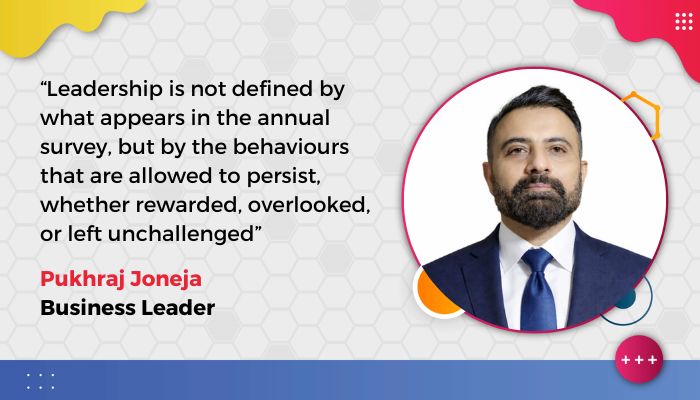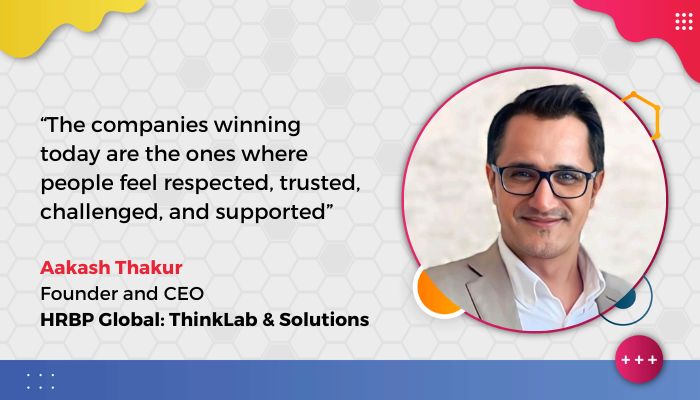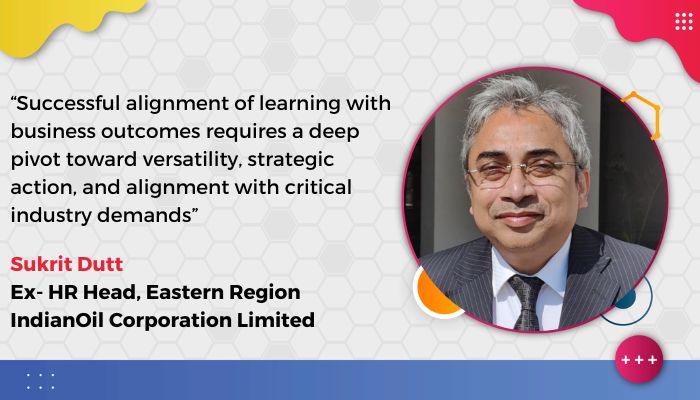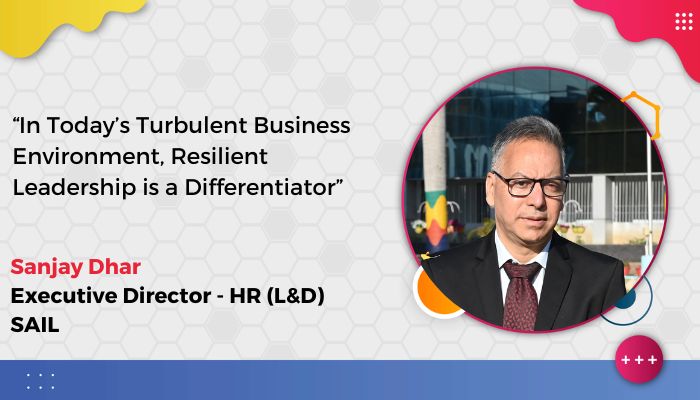
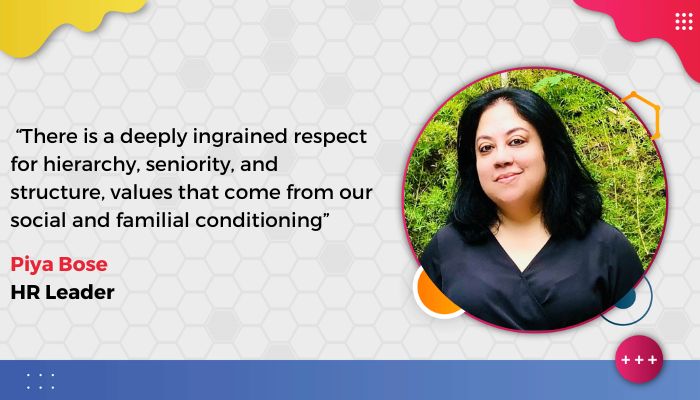
By, Piya Bose, HR Leader
In boardrooms across India, corporate culture is often discussed in the language of frameworks, values, policies, engagement scores, and performance metrics. Yet, step outside those rooms and into the lived experiences of employees, and a different truth emerges: culture in India is far less about what is written and more about what is felt.
India’s corporate culture cannot be a copy of global templates. It is shaped by the unique interplay of tradition, aspiration, hierarchy, community, and individuality. To understand it, we must look beyond policies and begin with people.
The Cultural Duality: Tradition Meets Aspiration
Indian workplaces sit at the intersection of two powerful forces. On one hand, there is a deeply ingrained respect for hierarchy, seniority, and structure, values that come from our social and familial conditioning. On the other hand, there is a rising generation of professionals who value openness, meritocracy, and agility.
This duality often creates tension.
Employees want to be heard, yet hesitate to speak up. Leaders want innovation, yet rely on a command-and-control style of leadership. Organisations promote flat structures, but decision-making remains centralised.
The result is not dysfunction, but a uniquely Indian negotiation between the old and the new.
The organisations that succeed are not the ones that choose one over the other, but those that learn to balance respect with openness and authority with accessibility.
Relationships: The Unwritten Backbone of Culture
In India, work is rarely just transactional. Relationships matter a lot.
Trust is built over conversations, not contracts. Loyalty often extends beyond roles and responsibilities. Teams function not just as professional units but as social ecosystems.
Such behavior has profound implications for corporate culture.
A manager who invests time in understanding their team will always outperform one who only tracks deliverables. A workplace that fosters genuine connections will see higher engagement than one that relies solely on incentives.
Yet, many organisations underestimate this.
In the rush to adopt global best practices, we sometimes strip away the very human elements that make Indian workplaces resilient. Culture here thrives not just on efficiency but on empathy.
The Language of Inclusion
India is not a monolith. It is a mosaic of languages, regions, and lived realities. Corporate culture, therefore, cannot be truly inclusive if it operates in a single cultural or linguistic lens.
In many organisations, inclusion is still defined narrowly, focused on gender or diversity metrics. But true inclusion in India goes deeper. It is about making people feel seen and heard in their context.
This could mean recognising regional nuances, respecting different communication styles, or simply creating spaces where employees are comfortable being themselves.
The shift we need is from inclusion as a policy to inclusion as a daily practice.
The Changing Definition of Authority
Authority in Indian workplaces is evolving.
Traditionally, authority was derived from position and tenure. Today, it is increasingly earned through credibility, empathy, and the ability to inspire.
Employees no longer look up to leaders simply because of their titles. They look for authenticity. They expect leaders to listen, to communicate transparently, and to lead by example.
This does not mean hierarchy disappears. It means hierarchy must humanise itself.
The most effective leaders in today’s India are those who can be both decisive and approachable, structured and flexible.
From Compliance to Ownership
One of the biggest shifts in Indian corporate culture is the move from compliance-driven work to ownership-driven work.
For decades, employees were conditioned to follow instructions, meet expectations, and avoid mistakes. Today, organisations are asking for something more—initiative, creativity, and accountability.
But this shift cannot happen overnight.
Ownership requires psychological safety. It requires environments where employees feel comfortable taking risks, voicing ideas, and even failing.
If organisations want employees to think like owners, they must first treat them like stakeholders, not just resources.
The Role of Culture in a Digital, Hybrid World
The rise of hybrid work has added another layer of complexity.
When teams are no longer physically together, culture can no longer rely on proximity. It must be intentional.
In India, where informal interactions, chai breaks, corridor conversations, and shared meals play a significant role in building connections, this shift is particularly impactful.
Organisations must now find new ways to recreate these moments of connection in a digital environment.
Culture, in this context, is not about replicating the office online. It is about redefining connection for a new way of working.
Building a Culture That Reflects India
So, what does it take to build a truly Indian corporate culture?
It begins with acknowledging that culture is not imported; it is co-created.
It requires leaders to listen deeply, not just to global trends but to their people. It demands a willingness to adapt, to question, and to evolve.
Most importantly, it calls for authenticity.
Because at its core, culture is not about what organisations say; it is about what people experience every day.
In India, relationships, respect, language, and a deep sense of community shape that experience.
The organisations that understand this will not just build strong cultures. They will build enduring ones.
About Piya Bose
Piya Bose is a seasoned HR leader with extensive experience across talent strategy, organisational development, and culture transformation. She is a certified NLP master practitioner and coach, facilitating professional and personal growth for individuals through mindset shifts, goal setting, and sustainable self-growth strategies. Known for her thoughtful, people-first approach, she brings a nuanced perspective on how global practices intersect with Indian workplace realities. Through her work and writing, she focuses on building cultures that are not only high-performing but also deeply human, where people feel valued, heard, and empowered to grow.
Disclaimer: The opinions and views expressed in this article, including any accompanying data, are the sole responsibility of the author and should not be construed as reflecting the official policy or position of India Employer Forum.